Monday, February 28, 2011
Tip 9. (Basic Healing Principles) Control Inflammation with Cold
For controlling inflammation, use the cold compress.
This is a local application using a cloth that has been wrung out in cold water. The cloth should
be folded into a broad strip and dipped in cold water or ice water. The compress is generally
applied to the head, neck, chest, abdomen and back.
The cold compress is an effective means of controlling inflammatory conditions of the liver, spleen, stomach, kidneys, intestines, lungs, brain, pelvic organs and so on. It is also advantageous in cases of fever and heart disease. The cold compress soothes irritations of the dermis and inflammations of external portions of the eye. When the eyeball is affected, the cold compress should follow a short fomentation.
Sunday, February 27, 2011
Tip 8. Get to Know Healthy Kitchen Practices
Example: Foods That Require Careful Cooking
Certain foods, especially if they are not properly cooked, cause indigestion. Some people react
unfavourable to certain foods like beans, cabbage, onions, cucumber, radishes and seafood.
Fried foods as well as rich and spicy foods often cause abdominal discomfort and gas, and
aggravate the existing condition.
What are some other important considerations?
• Excessive smoking and intake of alcohol can also cause stomach upsets.
• Constipation may interfere with the normal flow of ingested matter through the gastro-intestinal tract, resulting in gas and abdominal pain.
• Drinking too much water with meals, insomnia, emotions such as jealousy, fear and anger and lack of exercise are among the other causes of indigestion.
Saturday, February 26, 2011
Tip 7. Get to Know Vegetarian Principles
Example: To Lower Blood Pressure, Be Faithfully Vegetarian
Vegetables are also good for the patient of hypertension. They should preferably be taken raw. If
they are cooked, it should be ensured that their natural juices are not burnt in the process of
cooking.
Vegetables like cucumber, carrot, tomatoes, onion, radish, cabbage and spinach are
best taken in their raw form. They may be cut into small pieces and sprinkled with a little salt and the juice of a lemon added to them so as to make them more palatable.
Friday, February 25, 2011
Tip 6. Get to Know Basic Diet Concepts: The Example of How Fibre in the Diet Lowers Cholesterol in the Blood
The amount of fibre in the diet also influences the cholesterol levels and LDL cholesterol can be
lowered by taking diets rich in fibres. The most significant sources of dietary fibre are
unprocessed wheat bran, whole cereals such as wheat, rice, barley, rye; legumes such as
potato, carrot, beet and turnips; fruits like mango and guava and green vegetables such as
cabbage, lady's finger, lettuce and celery.
Oat bran is especially beneficial in lowering LDL cholesterol. Expect effects of 8 to 15 mg/dl after consuming 30 g of oat bran each day for 30 days.
Thursday, February 24, 2011
Tip 5. Getting to Know the Basic Concepts of Human Nutrition: The Example of Potassium
Potassium deficiencies are associated with breathlessness, fatigue, insomnia and low blood
sugar. Potassium is essential for healthy heart muscles. Nuts and unrefined grains are good
sources of potassium. Calcium is a natural sedative. Deficiencies can cause fatigue,
nervousness and tension. Dairy products, eggs, almonds, and soyabeans are rich sources of
calcium. Magnesium is known as nature's tranquilliser and is associated with the prevention of
heart attack. Deficiencies may lead to excitability, irritability, apprehension and emotional
disorders. Magnesium is also necessary for absorption of calcium and potassium and is found in
many fruits, vegetables, seeds, dates and prunes.
Wednesday, February 23, 2011
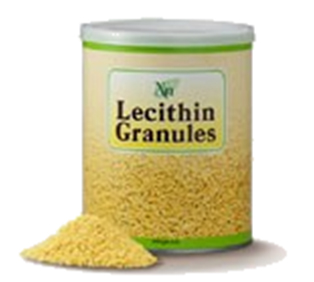
Tip 4. Anti-Aging Cures: The Example of Lecithin
To stay young, take lecithin.
Besides reducing the cholesterol level in the blood, there is mounting scientific evidence to
suggest several other benefits from lecithin. It has been suggested that its intake in sufficient
amounts can help rebuild those cells and organs which need it. Lecithin helps to maintain their
health once they are repaired. It may mean that a deficiency of lecithin in the diet may be one of
the causes of ageing and that its use may be beneficial in retarding the ageing process.
Edward R. Hewith in his book, The Years Between 75 and 90 says," with older people the fats
remain high in the blood for from five to seven hours and in some cases as long as 20 hours,
thus giving the fats more time to become located in the tissues. If lecithin is given to older people
before a fatty meal, it has been found that the fats in the blood return to normal in a short time, in
the same way they do in younger people."
Tuesday, February 22, 2011
Tip 3. Use the Recovery Diet: The Example of the Recovery Diet for Tonsillitis
After the acute symptoms of tonsillitis are over, the patient should adopt an all-fruit diet for
further three or four days. In this regimen, three meals of fresh, juicy fruits such as apples,
grapes, grapefruit, oranges, pears, pineapple, peaches and melon may be taken. The juice of
fresh pineapple is most valuable in all throat afflictions of this kind. After the all-fruit diet the
patient may gradually embark upon a well-balanced diet on the following lines:
• Breakfast: Fresh fruits, or grated raw carrot or any other raw salad, and milk. Prunes or other dried fruits may be added, if desired.
• Lunch: Steamed vegetables, as obtainable, and whole wheat chapattis. Vegetables likes bitter gourd and fenugreek are especially beneficial.
• Dinner: A good-sized raw salad of vegetables as obtainable, sprouts seeds as mung beans and alfalfa seeds, whole meal bread and butter or cottage cheese.
Raw vegetable juices are also valuable in the treatment of tonsillitis. Juice of carrot, beet and
cucumber taken individually or in combination are especially beneficial. Remember to use three parts carrot juice to one part beet and one part cucumber.
Subscribe to:
Comments (Atom)